Compare fishing seasons for marlin, tuna, dorado, wahoo, roosterfish and other Cabo species, with monthly advice for inshore and offshore trips.
Fishing in Cabo by month
Select a month to compare target species, inshore and offshore options, and typical weather considerations.
Cool-water emphasisTransitionWarm-water emphasis
January fishing in Cabo
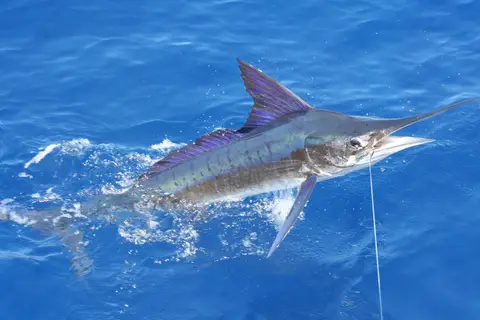
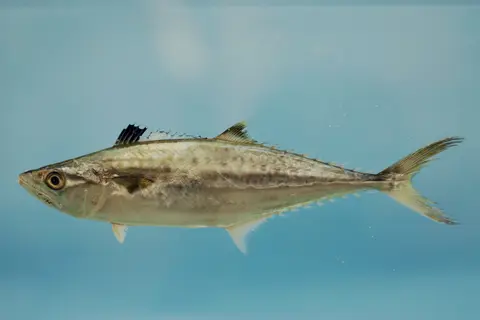
Striped marlin offshore; sierra and jacks inshore
Start with striped marlin offshore and sierra close to shore. Dorado and tuna sometimes persist in warm pockets, but a winter trip should not depend on them.
Ask your captain“Are the marlin within the normal trip range, and what is the coastal fallback?”
February fishing in Cabo
Winter marlin and coastal light-tackle fishing
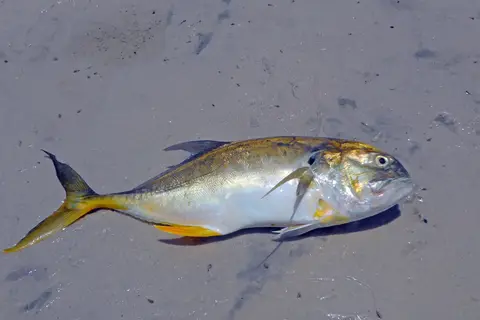
February options include striped marlin offshore and sierra or jacks inshore. Water temperatures and fish locations can vary across the fishing grounds.
Ask your captain“Would you choose an offshore or inshore day this week if you were fishing yourself?”
April fishing in Cabo
Striped marlin, roosterfish and jacks
April can hold both lingering cool-water opportunities and early signs of a warmer-water fishery. Local bait and water clarity matter more than the date of your arrival.
Ask your captain“Is there enough beach bait and clean water for a dedicated roosterfish day?”
May fishing in Cabo
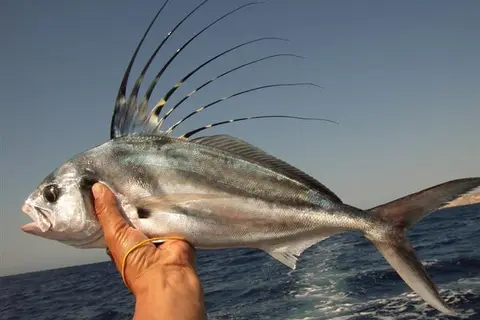
Roosterfish and coastal casting
May is a useful month to consider roosterfish and coastal casting. Offshore, ask about current striped-marlin catches and reports of warm-water species.
Ask your captain“For fly fishing, is the crew set up for beach sight-casting or boat-based teasing?”
June fishing in Cabo
Dorado and tuna offshore; roosterfish along the coast
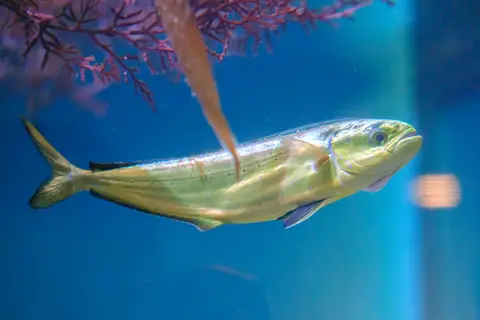
June options include dorado, tuna and warm-water billfish offshore, with roosterfish along the coast. Timing and abundance vary between years and sides of the cape.
Ask your captain“Can we switch methods if we find feeding dorado, or is this a dedicated marlin trip?”
August fishing in Cabo
Blue marlin, yellowfin tuna and dorado
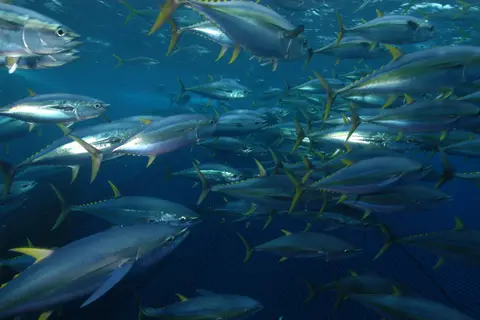
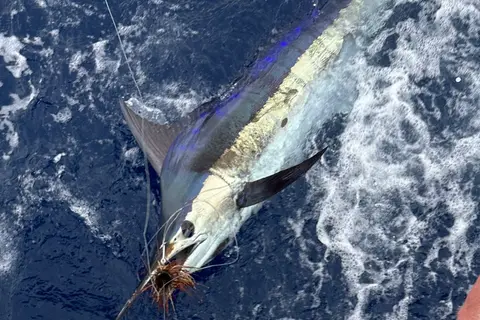
August offshore targets include blue marlin, yellowfin tuna and dorado. Check the operator’s cancellation and rescheduling terms, as tropical weather can disrupt trips.
Ask your captain“Will a tournament change our departure time, crew, price or access to the usual boat?”
November fishing in Cabo
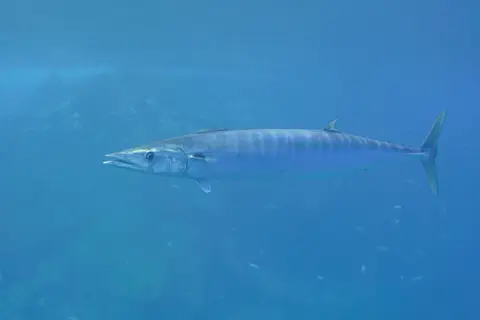
Striped marlin alongside late-season tuna and wahoo
November may offer striped marlin alongside tuna, dorado and wahoo. Bait location and water conditions determine which species crews are finding on each side of the cape.
Ask your captain“Is the bite close to Cabo, or does it need a separately arranged extended-range day?”
December fishing in Cabo
Striped marlin and cooler-water inshore species
December shifts attention toward striped marlin and cooler-water inshore species. Dorado and tuna may carry over, but the winter plan should remain flexible about both species and fishing grounds.
Ask your captain“What is the realistic lines-in time after the run, and what is the nearer backup?”
When to fish for each species
Fishing is available year-round from Cabo San Lucas and San José del Cabo. Choose travel dates around your target species and preferred method, then check recent catches before booking a boat. Offshore marlin trips, roosterfish fly fishing and coastal sierra fishing have different seasonal patterns.
For striped marlin
Late fall through spring is a useful range for striped marlin, with catches possible in other months. Check recent fleet reports and ask whether the productive grounds are within the boat’s range and your booked trip length.
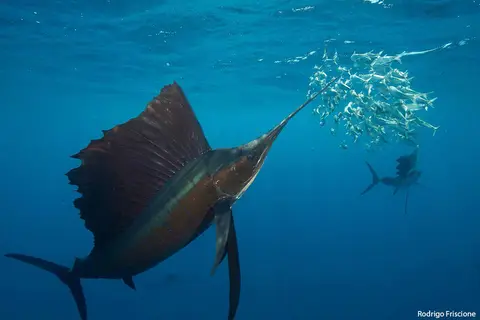
Summer and fall bring more opportunities for blue marlin, dorado, tuna and sailfish. Fall can add wahoo and overlapping marlin activity. Balance that potential against heat, tropical weather and tournament demand.
Late spring through fall is a useful range for roosterfish; winter and spring can favor sierra. Fly anglers should ask about sight-casting, teaser methods and recent conditions along the intended coast.
These ranges describe seasonal tendencies, not legal open seasons. Fish may be caught outside them, and Pacific and Gulf-side conditions can differ within the same month.
May–July emphasis in the Pacific Los Cabos regional guide
Warm-water billfish; specialized fly trips use teasers.
Using recent reports and weather forecasts
Fish move with bait, currents and changes in water temperature. Wind and swell also affect which grounds a boat can reach. Use recent fishing reports and route-specific weather forecasts alongside the calendar.
Read more than one report
Compare several recent fishing days and note the marina, species, fishing hours and area. One exceptional boat is not a representative sample. Operator success statistics also depend on how a “successful trip” is counted.
Leave a weather margin
Eastern Pacific hurricane season runs May 15–November 30. Storm swell can matter before a system is nearby. Winter wind also matters; no month offers a blanket promise of calm conditions.
Agree on an alternative target
Ask which other species and methods are practical if the first target is unavailable. Confirm that the boat carries suitable tackle and that any change of fishing grounds fits the booked time and fuel allowance.
What is the best time to go fishing in Cabo San Lucas?
The best time depends on the species. Striped marlin are a common target from late fall through spring; summer and fall offer more warm-water opportunities for blue marlin, dorado and yellowfin tuna. Late spring through fall is a useful range for roosterfish. Recent catches, weather and the distance to fish should also guide your choice.
Is February a good month for fishing in Cabo?
February is a reasonable month to discuss striped marlin offshore and sierra or jacks inshore. Winter dorado and tuna are possible but vary substantially. Check the most recent fleet reports from your departure marina and ask about wind, Pacific swell and a backup coastal plan.
What can you catch in Cabo in March?
Striped marlin, sierra and jacks are common March targets. Water temperatures can vary sharply between nearby fishing grounds during spring. Ask about recent catches before planning a March trip specifically for blue marlin, tuna or dorado.
What is fishing like in Cabo in November?
November can overlap striped marlin with lingering warm-water opportunities for yellowfin tuna, dorado and wahoo. The useful mix depends on bait and water location. Ask whether reports are close to your marina or require an extended-range trip, and remember that eastern Pacific hurricane season continues through November 30.
When is the best time for roosterfish and fly fishing?
Late spring through fall is a useful range for roosterfish trips, though fish can be caught outside those months. A fly trip also needs clear, fishable water, beach bait, manageable wind and a specialist guide. Boat-based teasing and beach sight-casting are different experiences; winter fly anglers can also discuss sierra and jacks.
Can you fish in Los Cabos year-round?
Yes, fishing opportunities exist throughout the year, but not every target is equally plausible every month. Port closures, weather, bait supply and the distance to feeding fish can override a seasonal calendar. Discuss a primary target and an alternative with your captain before booking.
Calendar sources and seasonal ranges
Reviewed October 14, 2026. The monthly summaries draw on local operators’ reports from multiple years, species guidance and the official Los Cabos tourism overview. The ranges are broad because operators fish different areas and report different seasonal patterns; they do not predict catch rates.