Wahoo
Acanthocybium solandriPeto · ono
A slender offshore predator commonly targeted by trolling. Its sharp teeth require bite-resistant tackle and careful handling.
- Planning window
- September–November emphasis
- Where it lives
- Open ocean
- Fishing approach
- Purpose-rigged trolling; occasional bait or casting
- What matters most
- Leader integrity and tooth-safe handling
Fishing for wahoo
A wahoo opportunity can arrive as a sudden strike during an offshore search or as the goal of a specifically rigged trolling session. Those are different setups: a general dorado spread may not have the same bite protection, lure tracking or tackle checks as a dedicated wahoo plan.
Ask the crew which presentation it recommends for current conditions. Water, prey, sea state and how each lure runs behind that boat all affect the method.
How to identify wahoo
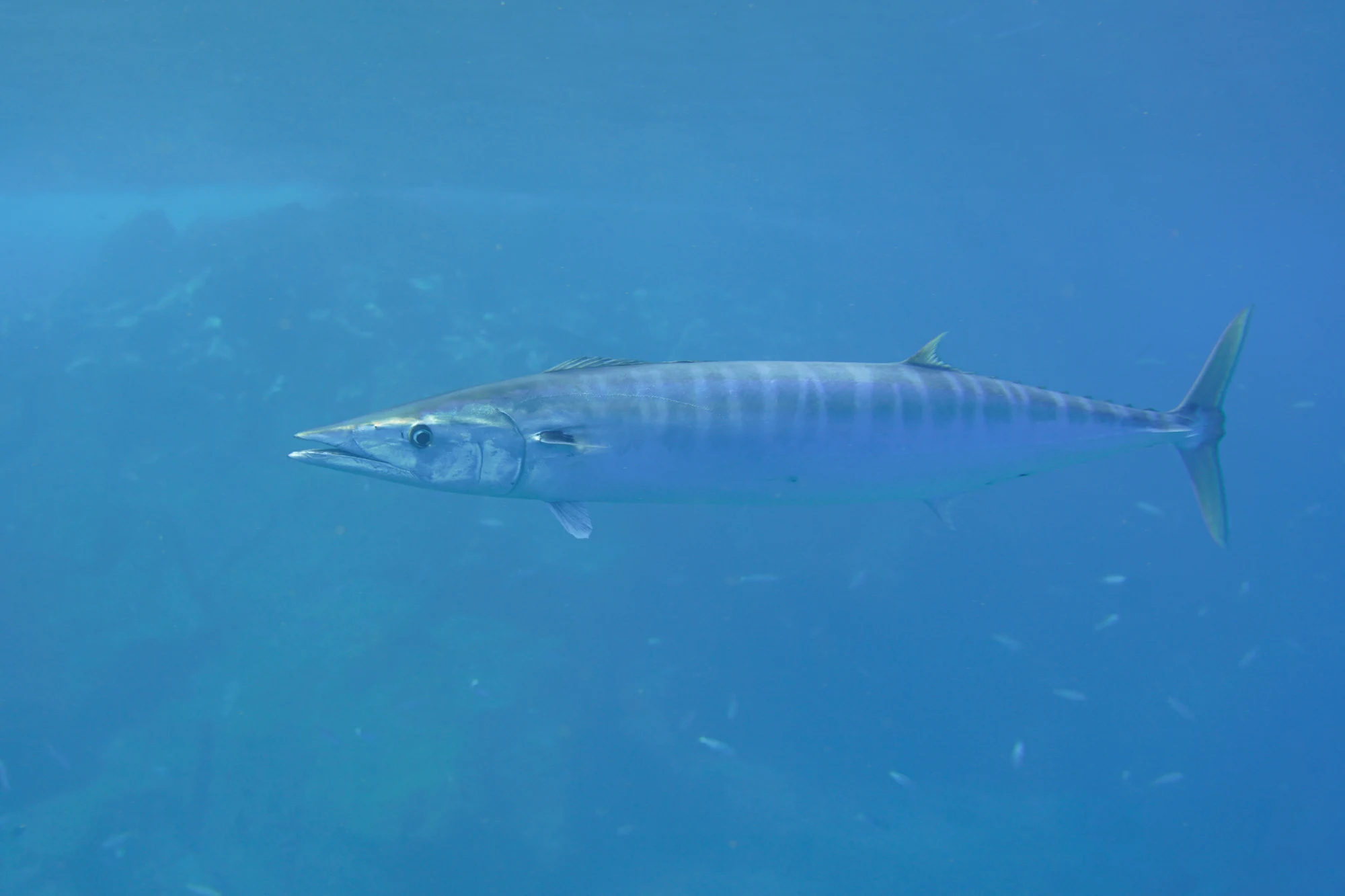
Wahoo have a long, narrow body, a pointed snout, a deeply forked tail and strong cutting teeth. Blue vertical bars run down the sides; the overall profile is much more slender than a tuna.
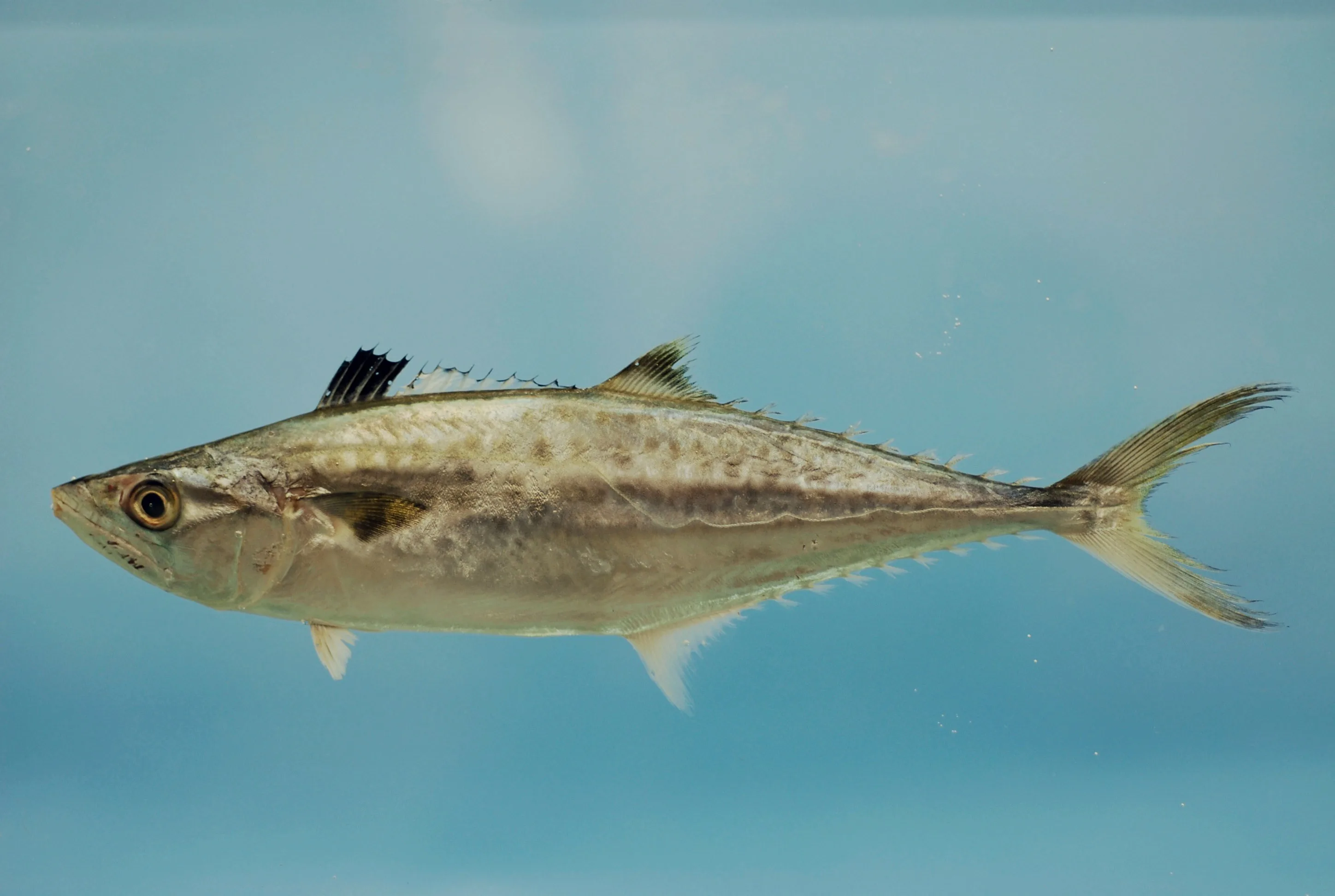
Sierra mackerel are relatives in the mackerel family but are not small wahoo. Sierra typically show spots rather than wahoo’s vertical bars. Treat a toothy fish carefully even when it appears subdued.
Biology and identification: NOAA Fisheries: species biology and habitat (opens in a new tab) ↗
Seasons in Los Cabos
The local Pacific-side guide emphasizes September–November. Fall is a useful period to plan a targeted trip, with catches possible outside it.
Ask whether the current reports come from dedicated wahoo sets or incidental catches on mixed charters. Neither a calendar nor a moon phase substitutes for recent activity and water that the boat can safely reach.
Local calendar: BCS association’s Pacific-side guide (opens in a new tab) ↗.
Compare the full seasonal pictureHabitat and fishing grounds
NOAA describes wahoo as upper-water predators often encountered alone or in loose small groups. Banks, pinnacles and drifting natural material can be relevant search features, rather than a guarantee of a compact school.
Crews can work the water around structure without dragging tackle across the bottom. Current and bait influence which parts of a bank are productive. The captain should choose the route using current charts and local conditions.
Understand Cabo’s coasts, banks and accessFishing methods for wahoo
Trolling that matches the lure
Diving plugs and purpose-rigged lures must track properly at the chosen speed. “High speed” is not one compulsory number. The captain should balance sea state, lure action, depth and the tackle’s safe load.
Bite-resistant connections
Discuss wire or other appropriate bite protection and inspect it after a strike. Leader strength, lure behavior and hook placement are a system; an improvised short wire addition does not solve every cutoff.
Leadering and dehooking
Expect direction changes and possible slack during the fight. Follow the crew’s instruction to keep a working line angle. Keep other anglers clear while the fish is controlled, and leave leadering and dehooking to the crew.
Ask these questions before booking
- Is wahoo the main target or a possible bonus while trolling for other species?
- Can the crew show that plugs, leaders, swivels and hooks are maintained for the intended method?
- What is the plan if sea conditions prevent the desired trolling route or speed?
Tell the operator about your experience, preferred method and group. Agree on the target, time on the water and release plan before the trip.
Handling and release
Wahoo teeth can injure without an obvious bite. Keep hands away from the jaw, use proper tools and never reach into the mouth to retrieve a lure.
A legal retained fish should be controlled and chilled promptly. Do not gaff a fish that will be released. Verify the current Mexican allowance and identification rather than importing U.S. or Hawaiian rules from a species profile.
Handling reference: IGFA release guidance (opens in a new tab) ↗.
Check licensing, limits and protected-area rulesQuestions about wahoo
When is the best time to plan for wahoo in Cabo?
September–November is the local Pacific-side seasonal emphasis. Confirm recent activity and a suitable route before paying for a dedicated trip; opportunities can occur outside that broad window.
Do I have to troll at very high speed?
No single speed is right for every lure, boat and sea state. Dedicated wahoo trolling can use purpose-built presentations, but the lure must run correctly and the tackle must safely handle the load.
Why do anglers use wire for wahoo?
Their cutting teeth can sever ordinary leader. Bite-resistant rigging reduces that risk, but it must be selected with the lure and inspected for kinks, abrasion and damaged connections.
Sources
These references cover identification, biology and regional fishing patterns. Follow the local calendar for seasonal context and the Mexican regulations guide for permits, retention and protected areas.
 Coast & surf
Sierra Mackerel
Scomberomorus sierra
A spotted coastal mackerel targeted with small lures, bait and flies. Its sharp teeth require suitable leader and handling tools.
Cooler-season coastal option; confirm current reports
 Open ocean
Dorado
Coryphaena hippurus
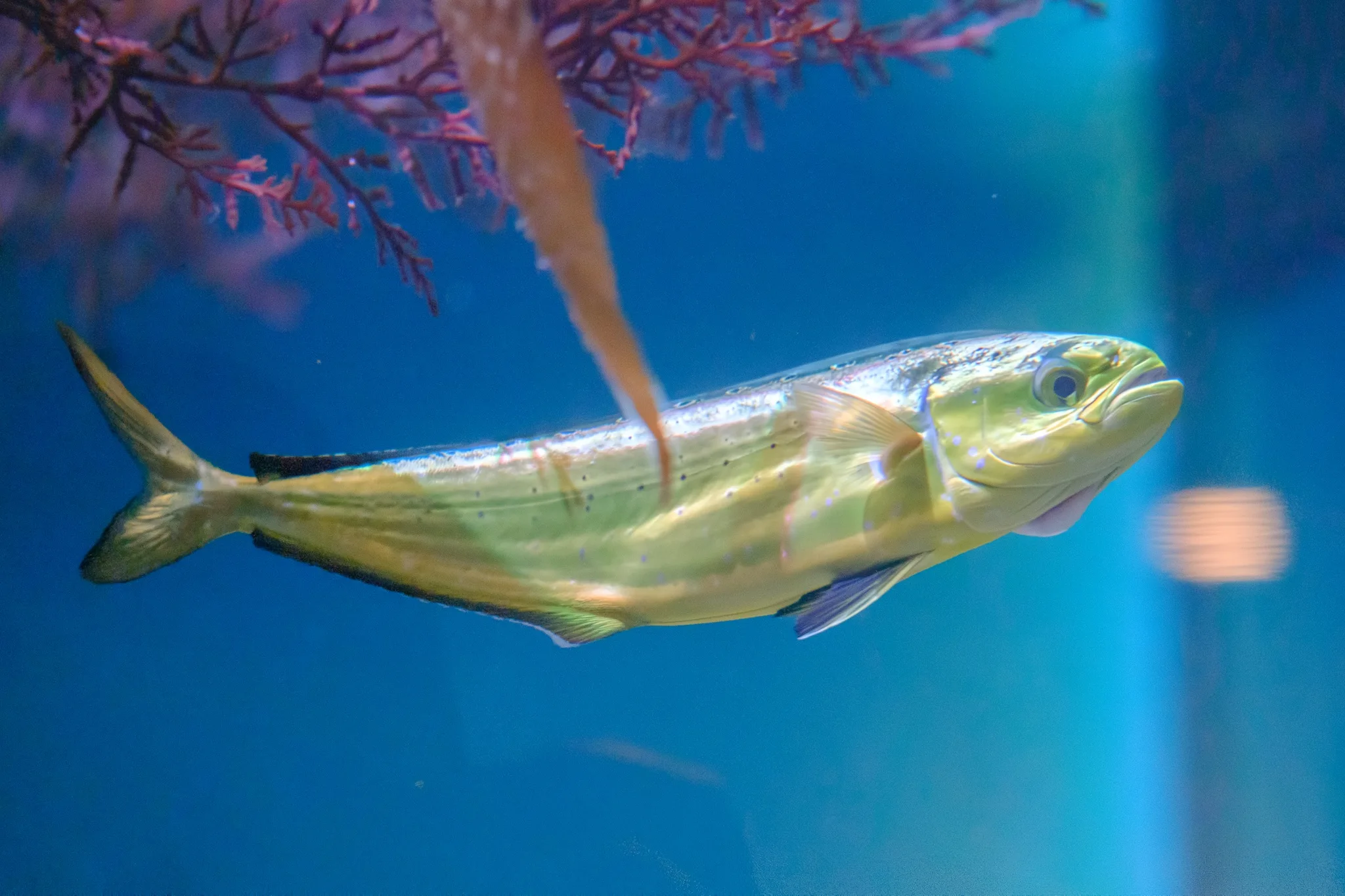
Also called mahi-mahi, dorado use warm surface water and floating habitat. Crews target them with trolling lures, bait, casting tackle and flies.
June–October emphasis
 Open ocean
Yellowfin Tuna
Thunnus albacares
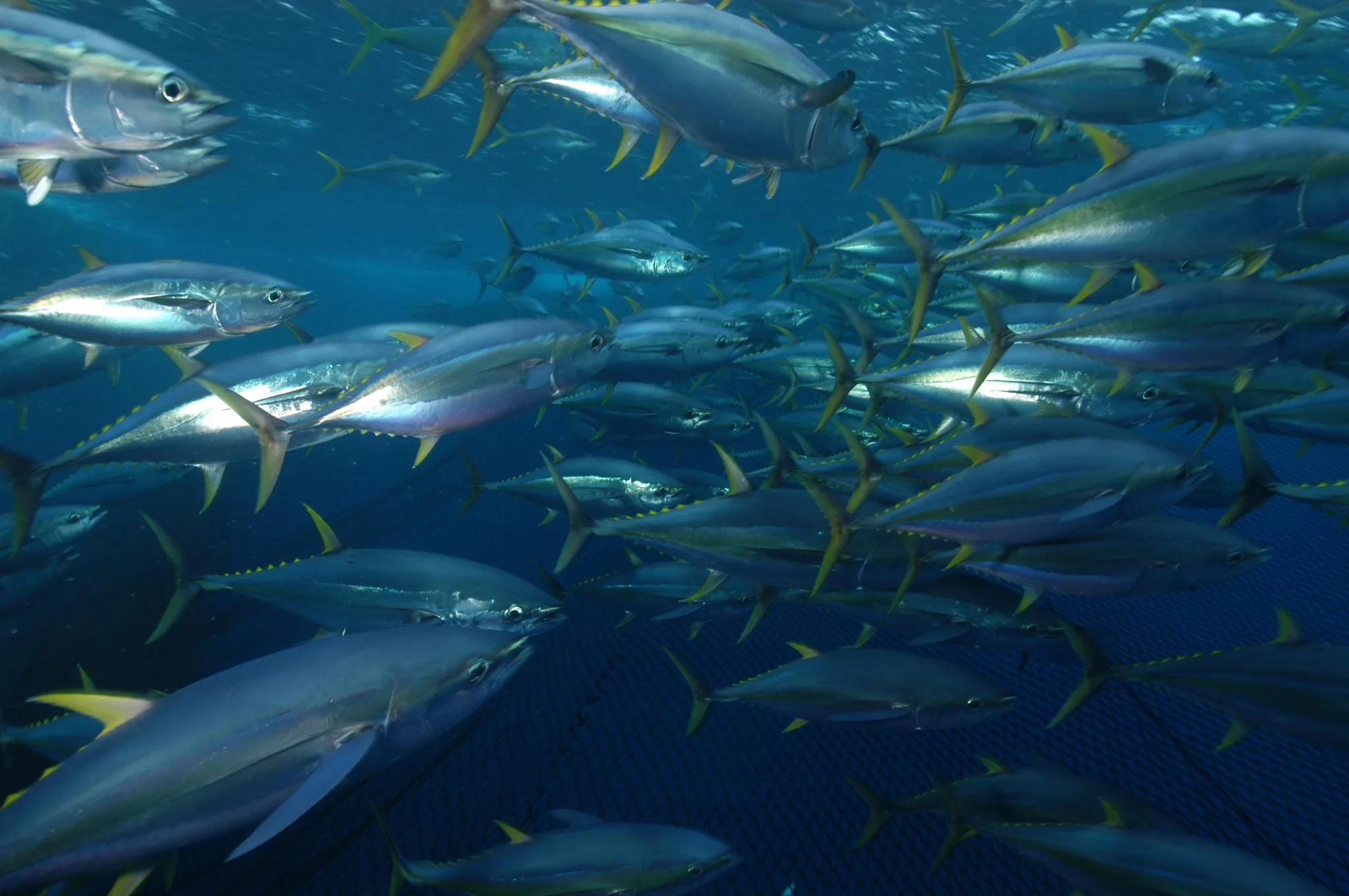
A schooling offshore tuna caught by trolling, bait fishing, casting and jigging. Fish size and school location determine tackle and trip range.
June–November emphasis