Dorado
Coryphaena hippurusMahi-mahi · dolphinfish
Also called mahi-mahi, dorado use warm surface water and floating habitat. Crews target them with trolling lures, bait, casting tackle and flies.
- Planning window
- June–October emphasis
- Where it lives
- Open ocean
- Fishing approach
- Trolling, bait or casting around surface activity
- What matters most
- Ready tackle and careful boatside handling
Fishing for dorado
Dorado, mahi-mahi and dolphinfish are names for the same surface-oriented ocean fish. Crews target them with trolling gear, bait, casting tackle or flies, often during mixed-species offshore trips.
A dorado plan usually searches for the conditions that gather prey. A floating object can be worth investigating, yet there may be no fish around it. Keep the day flexible and distinguish a recent feeding report from a photograph of a single catch.
How to identify dorado
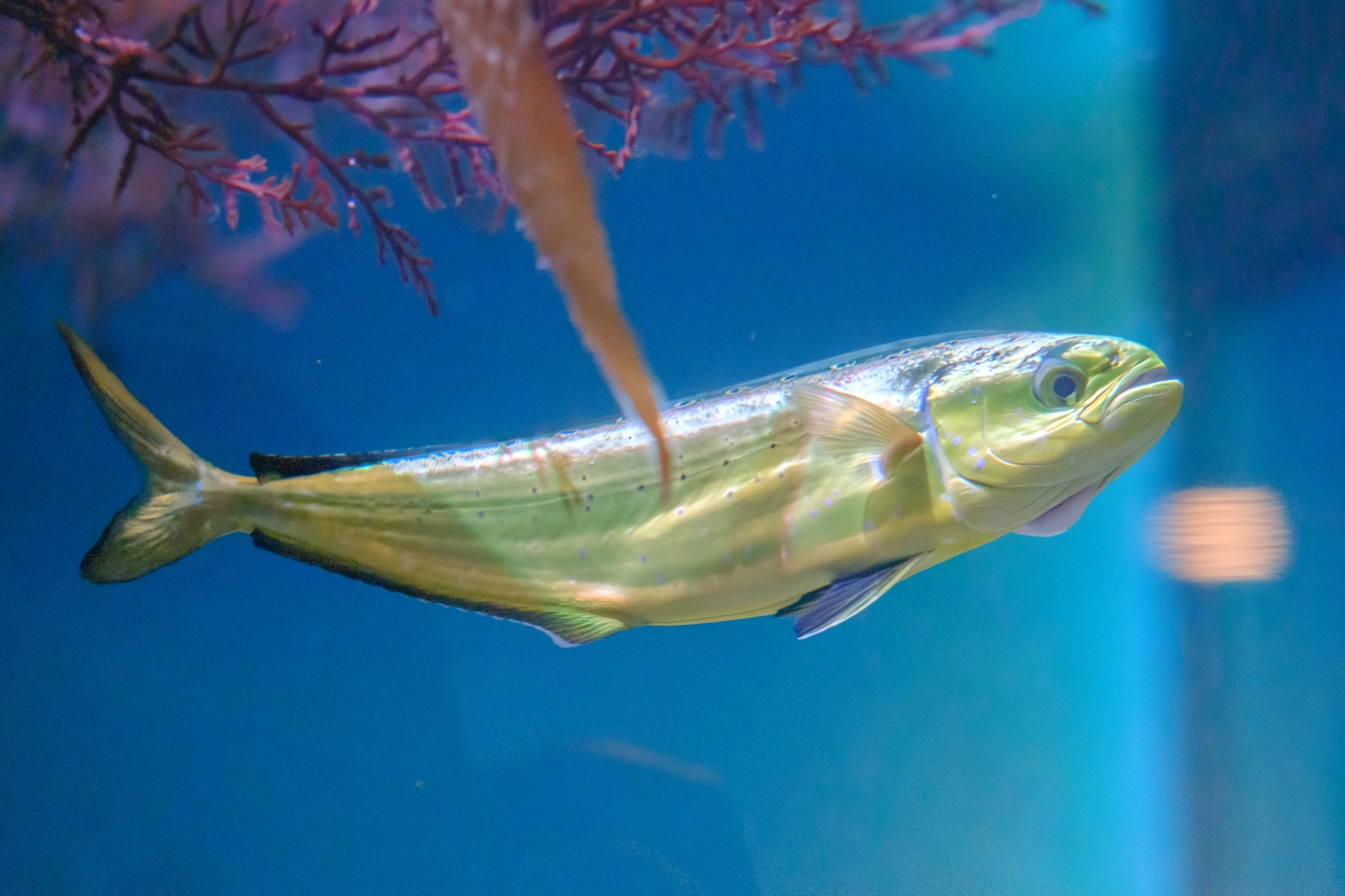
An elongated, compressed body, a long continuous dorsal fin and vivid green-blue upper colors over gold or silver flanks distinguish dorado from tuna and wahoo. Colors can fade quickly after death.
Mature males can have a steep, blunt forehead; females usually have a more rounded head profile. Size and sex should not be inferred from color alone, and smaller fish may be encountered in groups.
Biology and identification: NOAA Fisheries: species biology and habitat (opens in a new tab) ↗
Seasons in Los Cabos
June–October is the local Pacific-side emphasis. Water movement, prey and surface habitat decide whether a given trip finds dorado, so do not assume a warm month automatically produces a close-to-port bite.
If the target is important, ask whether current activity is on the Pacific or Sea of Cortez side and whether that coast is practical from your departure point. These are different routes, not interchangeable names on a seasonal chart.
Local calendar: BCS association’s Pacific-side guide (opens in a new tab) ↗.
Compare the full seasonal pictureHabitat and fishing grounds
Dorado use warm upper-ocean water. Crews investigate current seams, feeding birds, floating natural material and other signs of a functioning food chain. Distinguish natural floating habitat from fishing gear and avoid entanglement hazards.
A fish caught at the surface does not mean all the others remain there. Watch how the school responds before changing speed or scattering bait. Do not deploy new floating objects simply to manufacture an attraction.
Understand Cabo’s coasts, banks and accessFishing methods for dorado
Troll while searching
Small pelagic lures or rigged baits cover water and may locate a fish. Check the presentation frequently for weed or damaged hooks; a lure that is not running properly cannot do its job.
Have a follow-up ready
When other fish appear near a hooked dorado, a ready bait or casting rod can create another opportunity. Keep hooks and lines separated and do not extend the first fish’s fight solely to hold companions near the boat.
Cast at visible activity
Baitfish-shaped lures and appropriate flies can suit a reachable surface opportunity. Ask for single-hook or easily dehooked arrangements when release is the goal, and wait for a clear casting lane.
Ask these questions before booking
- Would a mixed-species offshore day suit the group if no dorado school is found?
- Are spare casting or bait rods ready, and can beginners receive a clear briefing before a school appears?
- How will legal retained fish be secured, chilled and processed without leaving exposed hooks on the deck?
Tell the operator about your experience, preferred method and group. Agree on the target, time on the water and release plan before the trip.
Handling and release
A hooked dorado can jump and a landed fish can thrash with hooks still attached. Give the crew room, keep fingers away from the mouth and do not stand over an unsecured fish.
Retain only an identified, legal catch that can be chilled and used. Dorado fall within a special Mexican combined retention group; do not interpret a two-fish group allowance as two of each species. Check the current rules before departure.
Handling reference: IGFA release guidance (opens in a new tab) ↗.
Check licensing, limits and protected-area rulesQuestions about dorado
Are dorado and mahi-mahi the same fish?
Yes. This guide covers Coryphaena hippurus, also called common dolphinfish. The English name does not refer to a marine mammal.
Is dorado a good choice for a first offshore trip?
It can be, particularly as part of a flexible mixed-species plan. Boat comfort, travel distance, weather and supervision matter more than calling a species beginner-friendly. Surface action and jumps are possibilities, not promises.
Does every floating object hold dorado?
No. Floating material can concentrate food and make a useful place to investigate, but many objects have no fish. Current, time, bait and fishing pressure all affect the opportunity.
Sources
These references cover identification, biology and regional fishing patterns. Follow the local calendar for seasonal context and the Mexican regulations guide for permits, retention and protected areas.
 Open ocean
Yellowfin Tuna
Thunnus albacares
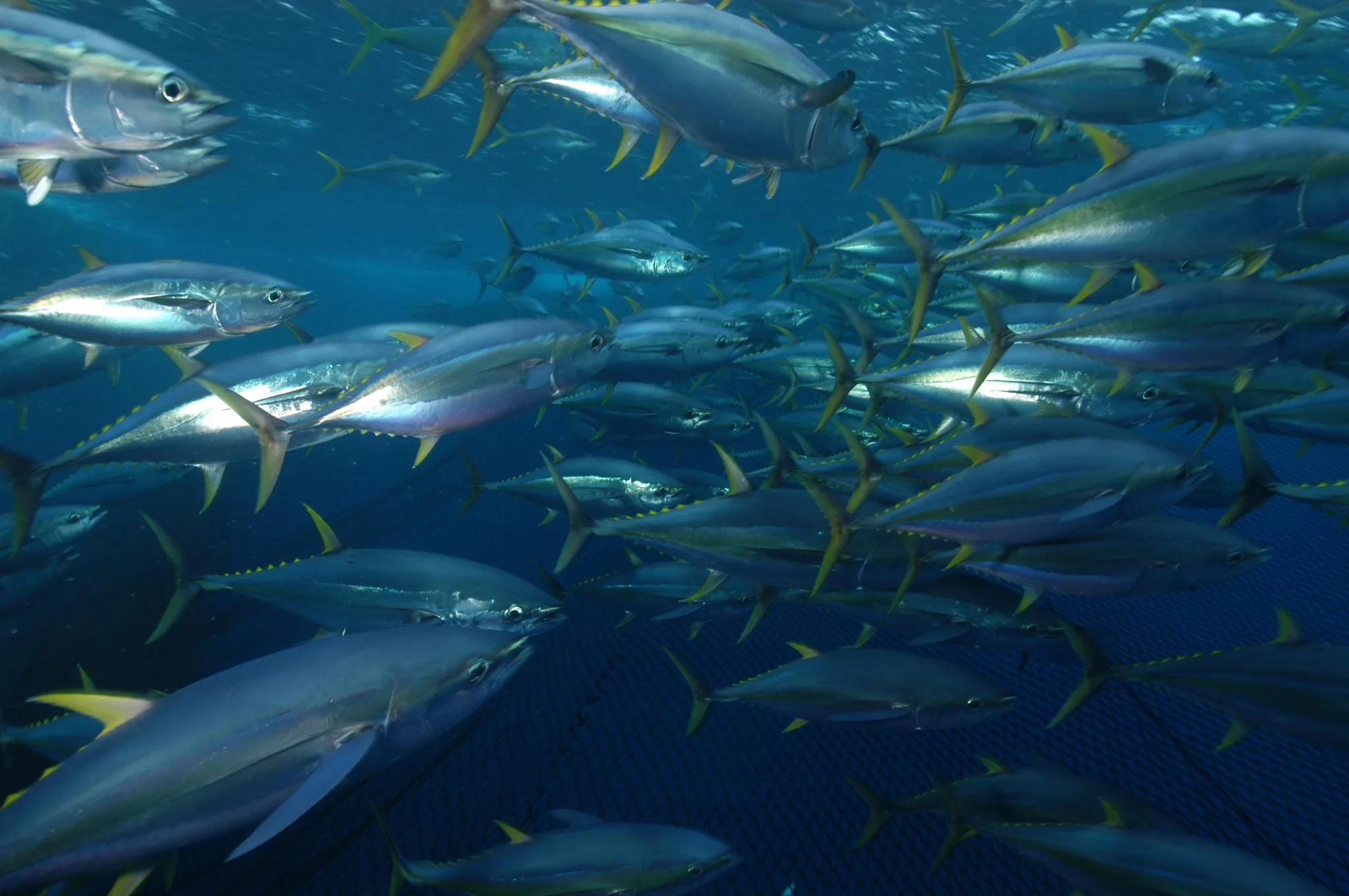
A schooling offshore tuna caught by trolling, bait fishing, casting and jigging. Fish size and school location determine tackle and trip range.
June–November emphasis
 Open ocean
Wahoo
Acanthocybium solandri
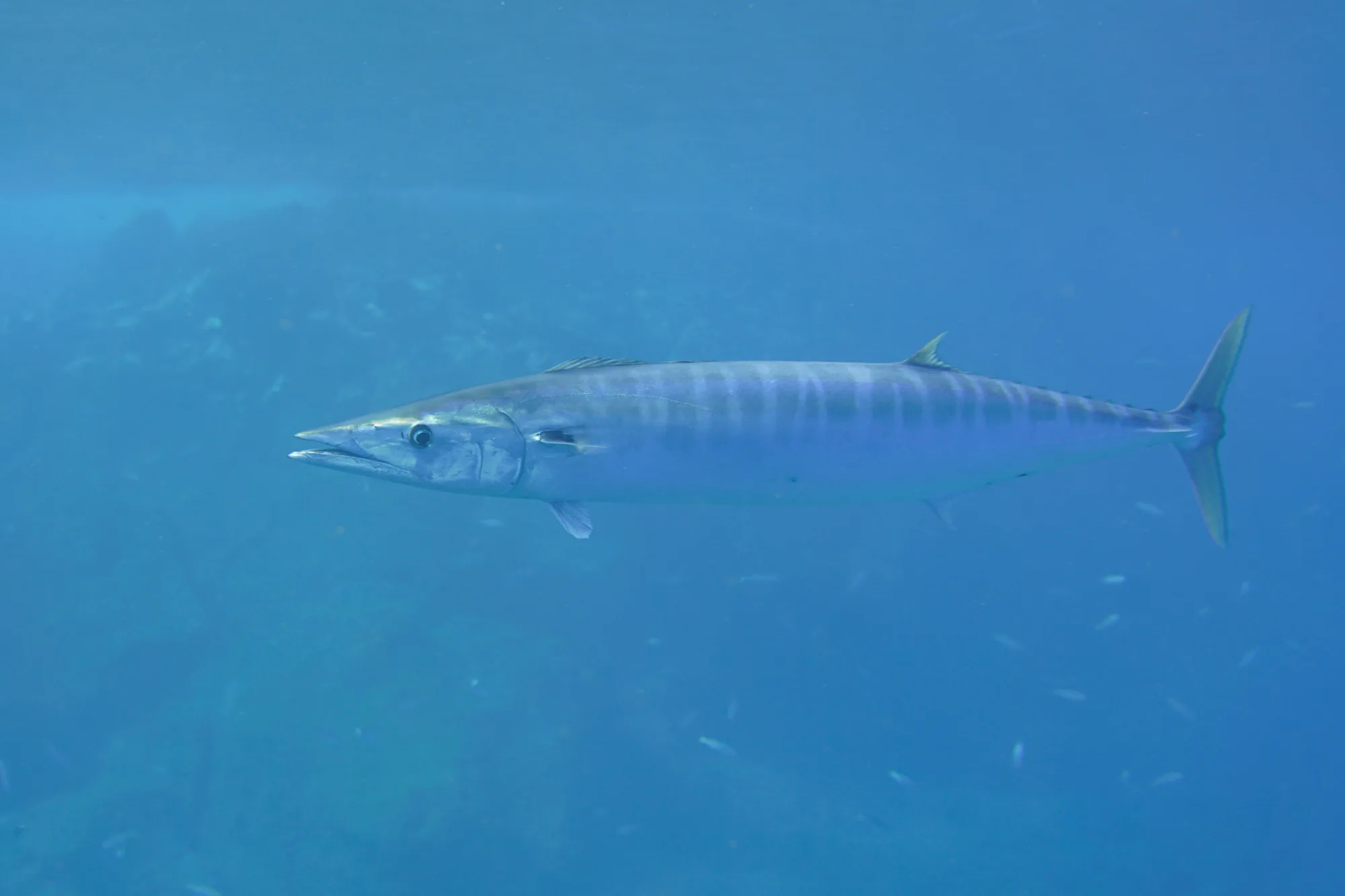
A slender offshore predator commonly targeted by trolling. Its sharp teeth require bite-resistant tackle and careful handling.
September–November emphasis
 Open ocean
Rainbow Runner
Elagatis bipinnulata
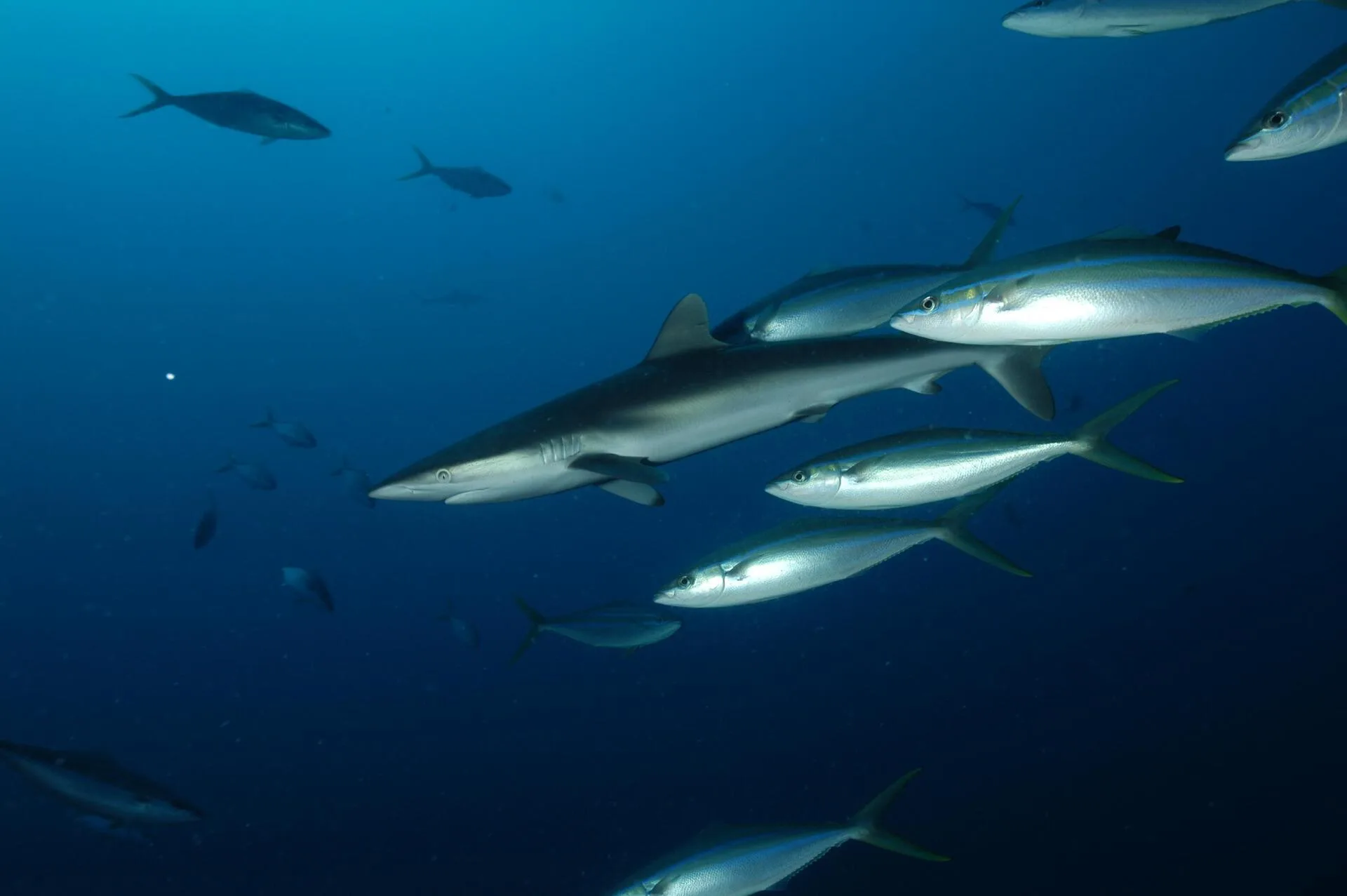
Blue-and-yellow lengthwise stripes and a slim profile identify this open-water jack, an occasional part of a mixed pelagic day.
Warm-water possibility; no fixed local peak