Trip questions
Frequently Asked Questions
Straight answers on choosing a charter, planning dates, permits, packing, release and legal catch.
Booking & Planning
When is the best time to go fishing in Los Cabos?
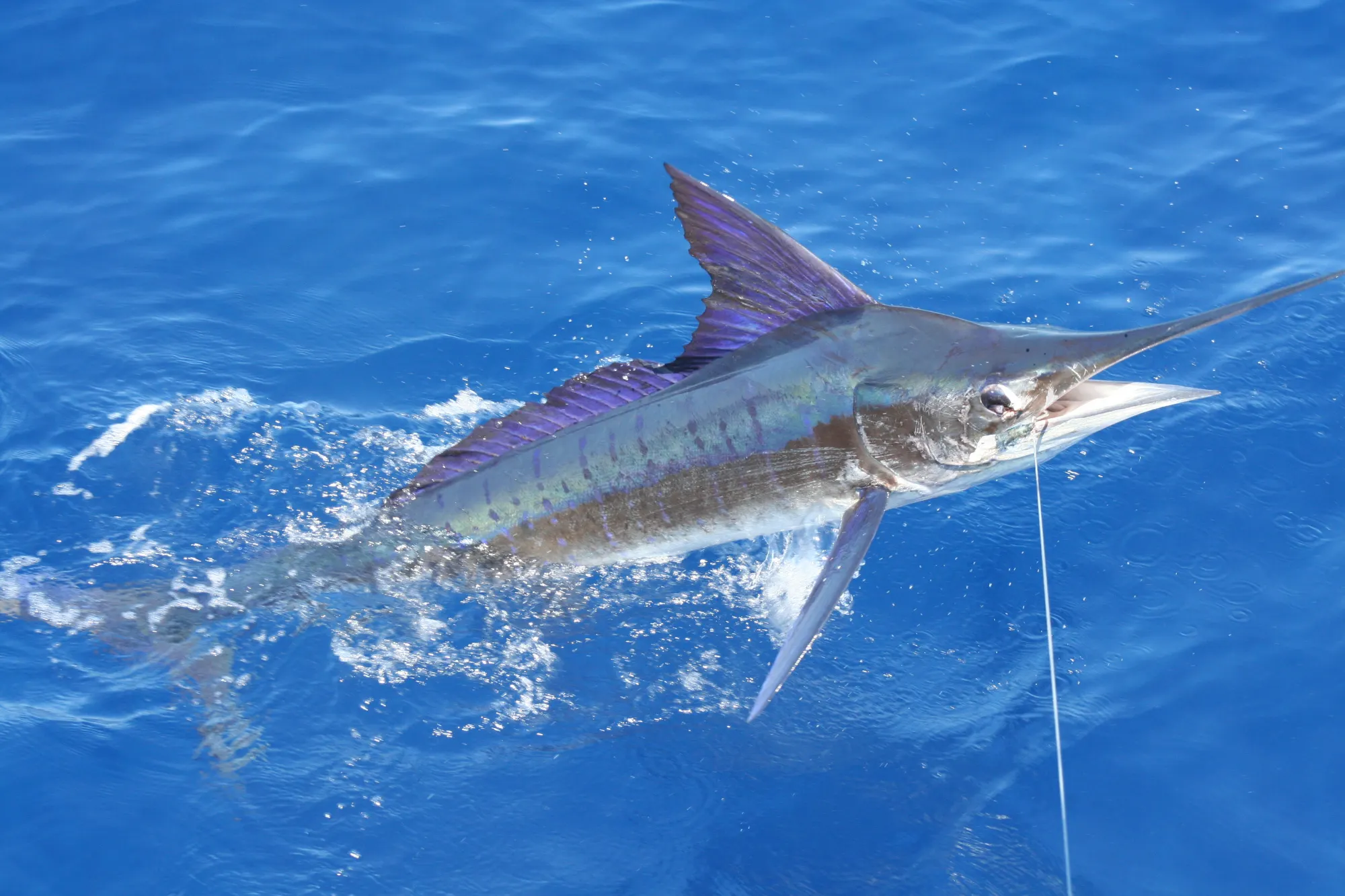
It depends on the target. Current Baja California Sur guidance emphasizes October–April for striped marlin, June–November for blue marlin and yellowfin tuna, June–October for dorado, September–November for wahoo, and May–October for roosterfish. These are planning ranges, not guarantees, so check recent reports before your trip. See our seasonal calendar.
Do I need a fishing license?
Anyone fishing from a vessel in Mexican waters needs an individual sport-fishing permit. Shore fishing does not require that same permit, though other laws and protected-area rules still apply. Confirm in writing whether your operator obtains the permit or you must buy it. See our license guide.
How far in advance should I book?
Availability depends on boat, season, group size, and tournament dates. Book as soon as the boat and cancellation terms meet your needs, and re-confirm the departure marina and time before travel.
What's included in a charter?
There is no universal package. Confirm licenses, crew, fuel range, tackle, bait, food, drinks, tax, dock fees, fish processing, transportation, and gratuity policy in writing.
On the Water
What should I bring on a fishing charter?
Bring sun-protective clothing, polarized glasses with a retainer, a light wind layer, non-slip shoes, and a small dry bag. For motion sickness, select and use a product according to its label or a clinician's advice. Ask the operator about food, water, and its gratuity policy.
What type of boat should I choose?
Match the vessel to the group, target, expected run and sea state—not only its length. Ask about legal passenger capacity, shade, head, safety gear, insurance, range and cancellation policy. A panga can suit inshore work; offshore plans require a vessel and crew appropriate to the conditions.
What fishing techniques are used in Cabo?
Crews may troll lures or rigged baits, slow-troll live bait, cast to visible fish, chunk for tuna, jig over structure, or fish the beach. The useful method changes with target, bait, current, and local rules. See our techniques guide.
What fish will I catch?
Likely targets depend on the season and current conditions. Offshore options include marlin, tuna, wahoo, and dorado; inshore options include roosterfish, snapper, jacks, sierra, and some groupers. Check the seasonal calendar and current reports.
After the Trip
How much should I tip the crew?
Gratuity is discretionary and practices vary. Ask the operator how its crew is compensated, whether service is included, which currencies or payment methods it accepts, and how a gratuity is distributed.
Can I keep the fish I catch?
Legal retention depends on species, daily limits, protected areas, and current rules. Mexico's general marine limit is 10 fish per angler per day, but the special groups are combined limits—not an allowance for each species. One retained fish total from the marlin, sailfish, swordfish, shark and giant-sea-bass group counts as five; two retained fish total from the dorado, roosterfish, tarpon and Gulf-grouper group also count as five. Release billfish and sharks whenever possible. See our regulations guide.
What can I do with my catch?
Decide before the trip whether the goal is release or limited legal harvest. Ask about lawful dockside landing and processing, local cook-your-catch options, and whether any claimed donation program actually accepts fish.
Can I take fish home?
Sometimes, but the itinerary matters. Mexico prohibits landing sport catch as fillets, so processing must follow legal landing. Then confirm the processor, airline packaging rules, and the destination country's customs and wildlife requirements before promising yourself a cooler of fish.
Practical Information
Do I need to speak Spanish?
Language capability varies by crew. Ask the operator if you need an English-speaking captain or safety briefing, and learn basic Spanish phrases for courtesy and emergencies.
Is it safe to fish in Cabo?
Risk depends on current travel conditions, weather, boat, and operator. Review government travel guidance; verify the operator, capacity, communications, and safety equipment; and follow port and captain instructions.
What currency should I bring?
The local currency is the Mexican peso. Ask each operator which currencies and payment methods it accepts, whether card fees apply, and how exchange rates are handled.
What if the weather is bad?
The captain and port authorities may shorten, reroute, postpone, or cancel a trip. Weather, refund, and rescheduling terms vary, so get the policy in writing before paying.
Need help choosing a boat?
Compare current boats, trip inclusions, conditions and availability.