Roosterfish
Nematistius pectoralisPez gallo
Roosterfish are coastal targets for live bait, lures and flies. Bait, surf and water clarity affect fishing from both beach and boat.
- Planning window
- Year-round possibility; May–October emphasis
- Where it lives
- Coast & surf
- Fishing approach
- Live bait, casting or dedicated fly trip
- What matters most
- Release-focused coastal fishing
Fishing for roosterfish
Roosterfish are coastal predators found around beaches, rocky points and moving bait. Crews search from pangas or guide anglers along suitable shorelines, using live bait, lures or flies. Fish may follow a presentation without taking it.
Los Cabos sits within the roosterfish’s eastern Pacific range. Choose the launch, boat and method around the coast you can safely reach that day. An inshore trip can still involve exposed water, substantial travel and challenging casting.
How to identify roosterfish
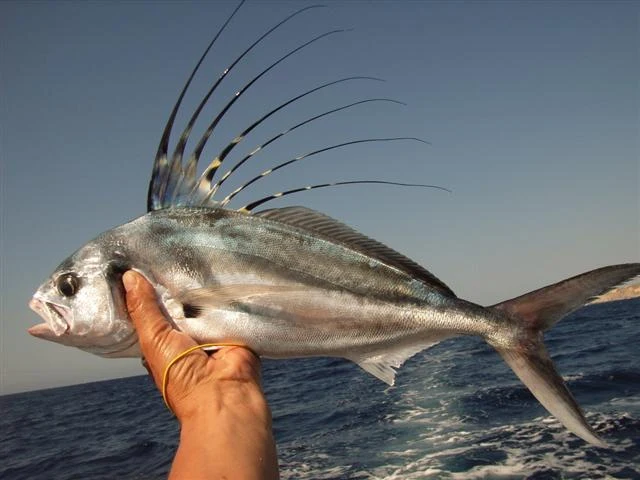
Look for the long, trailing spines of the first dorsal fin and two sweeping dark bars across a deep, silver body. The distinctive comb may be folded, so body markings matter too.
Roosterfish belong to the family Nematistiidae, separate from the jacks. The Smithsonian describes their habitat as shallow coastal water, including sandy shores.
Biology and identification: Smithsonian: eastern Pacific identification and range (opens in a new tab) ↗
Seasons in Los Cabos
The local Pacific-side guide gives May through October as its main emphasis, with encounters possible outside it. Use this seasonal range to compare travel dates, then check recent reports for the coast you intend to fish.
Before choosing a date, ask whether recent reports concern fish feeding on reachable beaches, fish seen but not hooked, or activity far from your departure port. Swell and stained runoff can change the usable water even during the advertised season.
Local calendar: BCS association’s Pacific-side guide (opens in a new tab) ↗.
Compare the full seasonal pictureHabitat and fishing grounds
Searchable habitat includes sandy shorelines, beach-to-rock transitions and points where forage is moving. A boat lets the crew cover successive stretches; it does not make every piece of shoreline accessible or legal.
From shore, wave run-up, steep beach faces, rocks and a safe retreat route are more important than getting closer to a visible fish. Do not wade into unfamiliar Cabo surf, cross private land or fish through swimmers. Protected estuaries are not open-access fishing shortcuts.
Understand Cabo’s coasts, banks and accessFishing methods for roosterfish
Live bait from a panga
A practical starting point when the crew can obtain suitable bait. Ask whether bait collection time is included and how the boat will present it along the beach without crowding other anglers. Match the hook to the bait and release objective.
Casting lures
Surface lures, swimming plugs and baitfish-shaped presentations let the angler work moving fish. Reach and accuracy matter, but so do a repeatable retrieve, secure footing and a hook arrangement the crew can remove quickly.
Fly fishing
Book this as a dedicated method, not a last-minute addition to a general charter. Wind, casting distance, boat positioning and time spent looking for a suitable shot all affect the day. Describe your casting experience before booking.
Ask these questions before booking
- Is the outing shore-based, a panga search or a dedicated fly charter? Those experiences require different equipment and expectations.
- Which coast has manageable swell, legal access and usable bait now? Ask for the departure point and realistic travel time.
- Will the crew keep a roosterfish in the water for release, and can you take a quick photograph without dragging it up the beach?
Tell the operator about your experience, preferred method and group. Agree on the target, time on the water and release plan before the trip.
Handling and release
Make release the plan before the first cast. Have the camera and dehooking tools ready; avoid beach dragging, gaffing or suspending a fish by the jaw or gills.
Keep the fish in the water whenever practical. If briefly lifted for a safe release, wet hands and support its body horizontally. Keep fights and photography brief. Check current Mexican retention rules, and discuss release with the crew before fishing.
Handling reference: IGFA release guidance (opens in a new tab) ↗.
Check licensing, limits and protected-area rulesQuestions about roosterfish
Can I catch roosterfish from the beach in Cabo?
Yes, roosterfish use shallow beach habitat, but access, shore break, bait location and casting ability decide whether shore fishing is sensible. A fish cruising within sight may still be beyond a safe cast. Never enter dangerous surf to extend your reach.
Is live bait or fly fishing the better choice?
Choose live bait for a conventional coastal search and fly fishing when making the cast is central to the experience. Neither guarantees a hookup. A dedicated fly operator should discuss wind, casting ability and boat positioning before accepting the booking.
Do roosterfish only appear in summer?
No. The local Pacific-side calendar emphasizes May–October but describes year-round possibility. Current beach conditions and recent feeding activity are more useful than treating the first or last month as a hard boundary.
Sources
These references cover identification, biology and regional fishing patterns. Follow the local calendar for seasonal context and the Mexican regulations guide for permits, retention and protected areas.
 Coast & surf
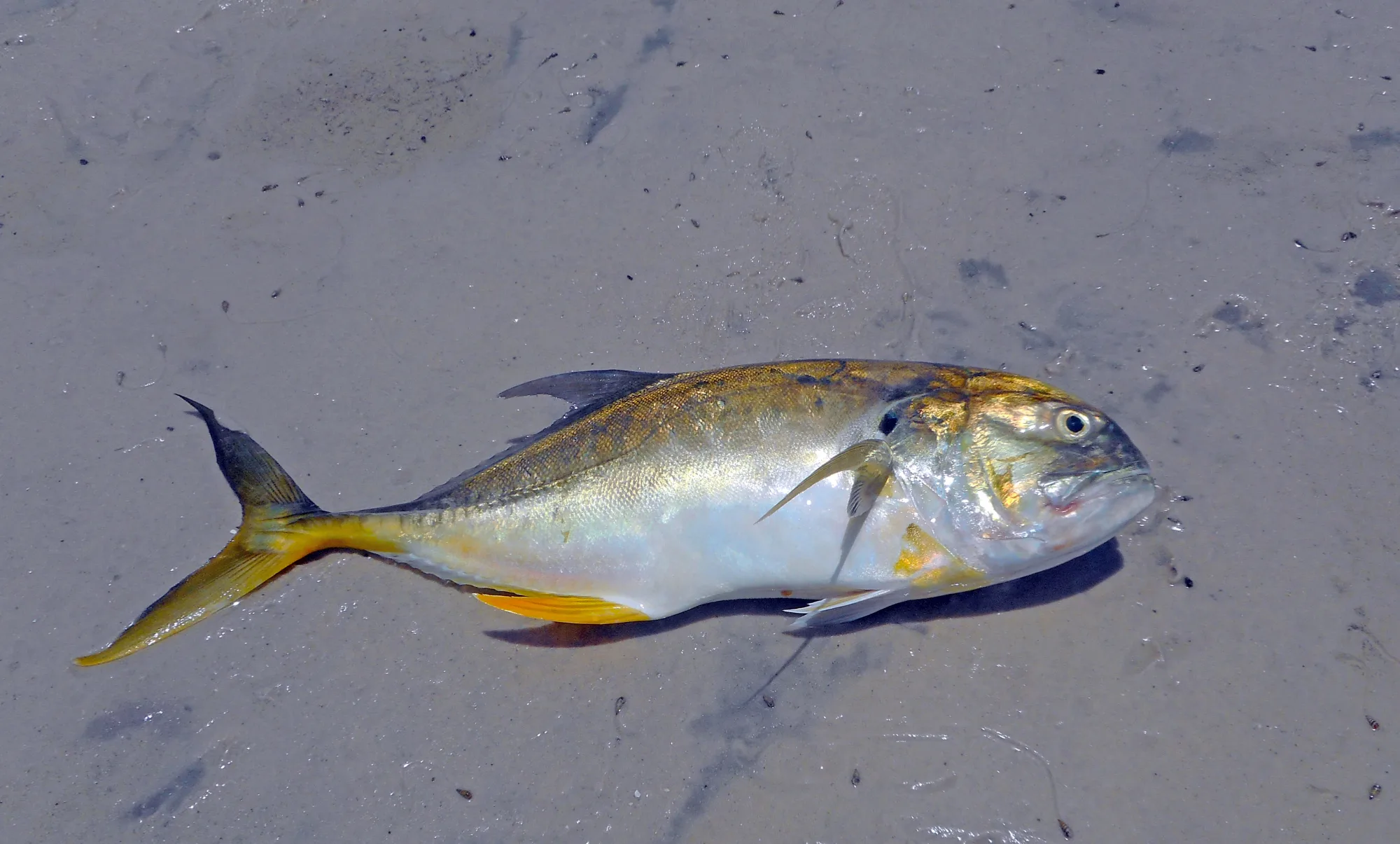
Pacific Crevalle Jack
Caranx caninus
A strong coastal jack targeted with surface lures, plugs and bait, often in the same areas as roosterfish.
Variable coastal opportunity
 Coast & surf
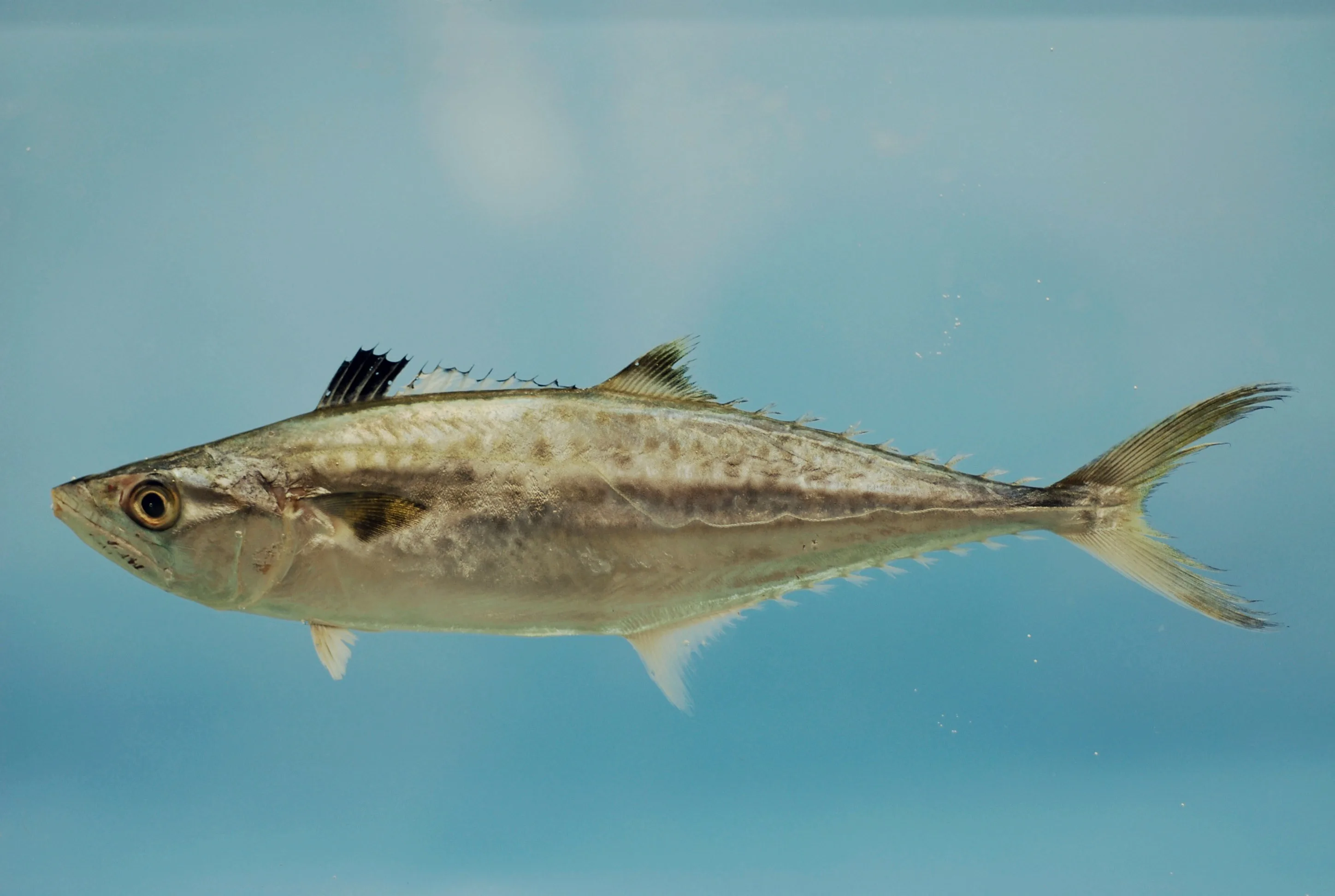
Sierra Mackerel
Scomberomorus sierra
A spotted coastal mackerel targeted with small lures, bait and flies. Its sharp teeth require suitable leader and handling tools.
Cooler-season coastal option; confirm current reports
 Coast & surf
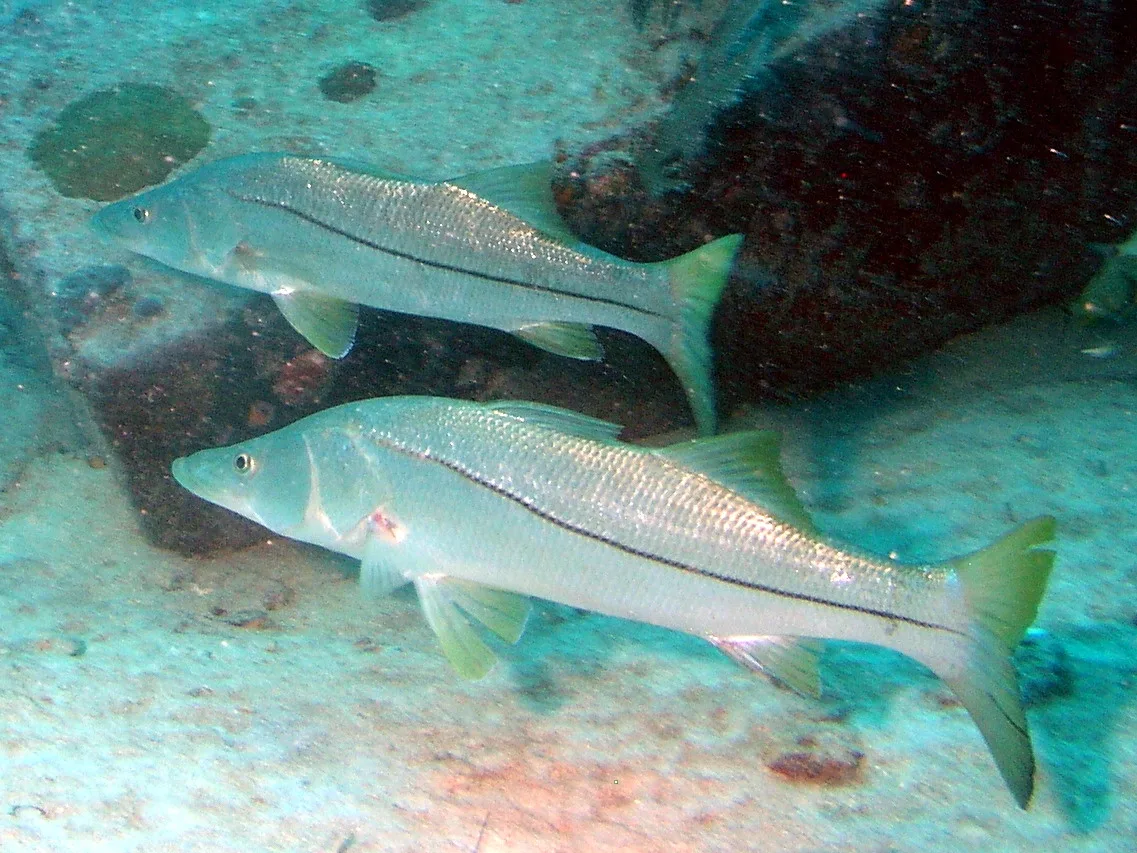
Snook
Centropomus species
Pacific snook are coastal fish targeted with bait and lures. Confirm the species, recent local activity and legal access before booking.
Habitat-dependent; no verified general Cabo peak