Blue Marlin
Makaira nigricansMarlín azul
A warm-water billfish targeted offshore with trolling lures and bait. Boat range, tackle and release procedures need to suit large fish.
- Planning window
- June–November emphasis
- Where it lives
- Open ocean
- Fishing approach
- Offshore trolling and prepared bait presentations
- What matters most
- Capable boat, tackle and release crew
Fishing for blue marlin
Blue marlin are a major offshore target in Los Cabos. Warm water and bait may be close to the cape or require a longer run. Ask where fish have been found recently and whether those grounds fit the boat’s range and the booked hours.
Large females can become much bigger than males. Ask the crew about the sizes encountered recently and the tackle carried for larger fish. Tell the crew whether you want to concentrate on blue marlin or keep a mixed-species offshore plan.
How to identify blue marlin
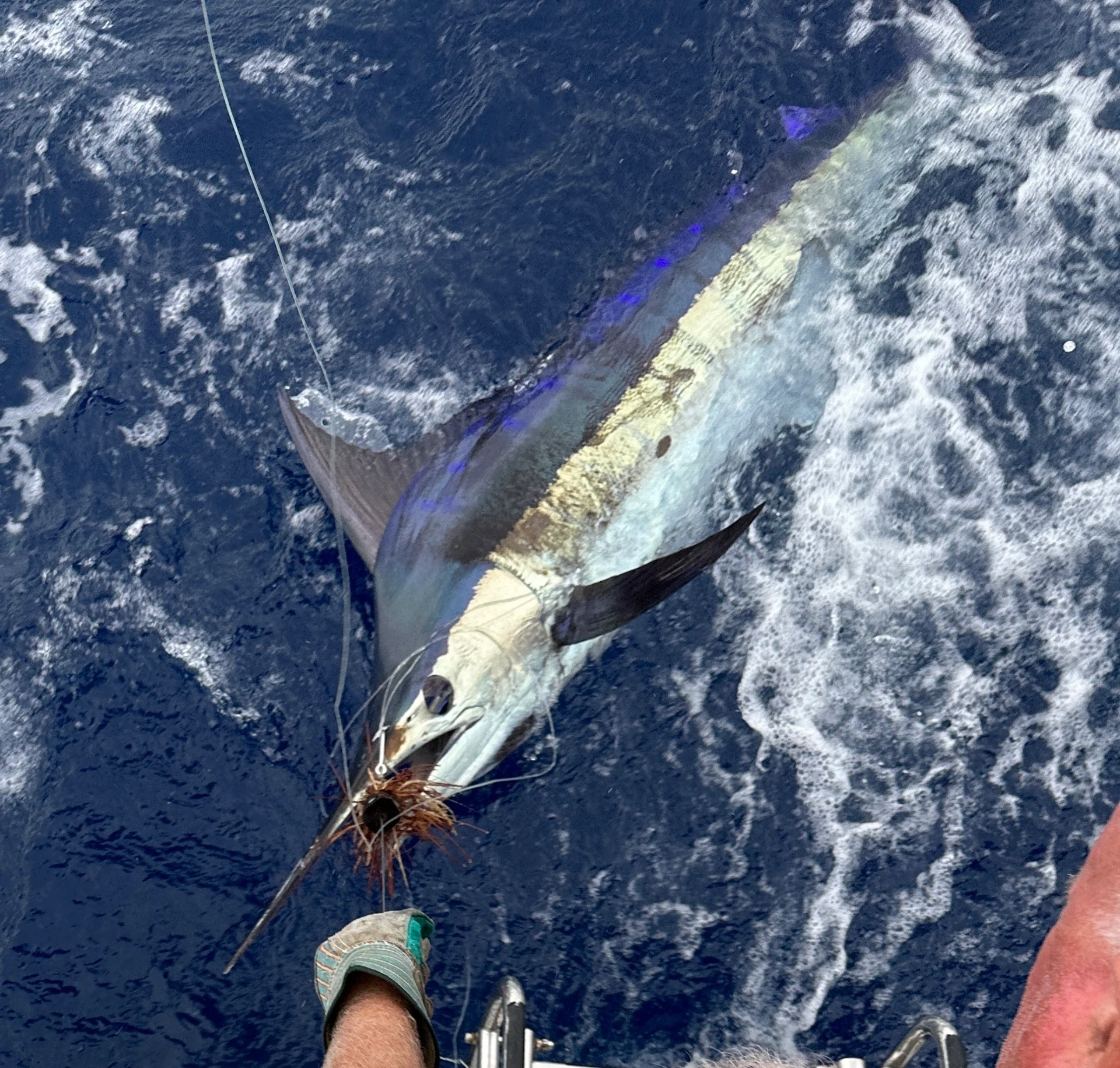
A blue marlin has a long round-section bill, a cobalt upper body and a pale underside. Its first dorsal fin is proportionally lower than the tall fin of a striped marlin; color alone is unreliable because more than one billfish can show bars.
Compare bill, dorsal profile and pectoral-fin movement together. Black marlin have rigid pectoral fins that do not fold flat against the body. Let an experienced crew confirm an uncertain fish rather than handling it longer for identification.
Biology and identification: NOAA Fisheries: species biology and habitat (opens in a new tab) ↗
Seasons in Los Cabos
June through November is the local Pacific-side planning window. The important distinction is warm-water blue marlin versus the cooler-season emphasis often associated with striped marlin.
Do not choose the hottest-looking patch on a satellite map in isolation. Recent feeding activity, current edges, bait and the ability to fish the return route safely all matter. Summer and fall weather can change the schedule; leave room for an alternative day.
Local calendar: BCS association’s Pacific-side guide (opens in a new tab) ↗.
Compare the full seasonal pictureHabitat and fishing grounds
Blue marlin are open-water predators, not bottom fish living on a particular bank. NOAA describes an affinity for warm upper-ocean water and a diet including tuna and other pelagic fishes.
Named banks and offshore contours give crews a search framework. Fish move between areas as water and bait conditions change. A recent bite several hours from the marina may be irrelevant to a short charter or a boat with a limited operating range.
Understand Cabo’s coasts, banks and accessFishing methods for blue marlin
Cover water with a trolling spread
Skirted lures and properly rigged offerings allow the boat to search. Spread position and lure behavior depend on the hull and sea state. Ask who watches the spread, clears other lines and coaches the angler when a fish appears.
Present a prepared bait
A crew may have a pitch bait or other bait presentation ready for a fish raised to the spread. This is coordinated teamwork; leave rods and free-running line to the crew until they explain your role.
Fighting tackle and angler position
Discuss stand-up versus chair fishing, harness fit and any mobility limits before departing. Drag, line capacity and boat handling must suit a potentially large fish. Never wrap leader or line around a hand.
Ask these questions before booking
- Does the quoted trip include enough time and fuel to reach the currently productive water, fish and return?
- Is the crew comfortable releasing a large billfish alongside, with suitable tools and a clear role for every angler?
- Are you booking a normal charter or entering a tournament? Confirm tournament eligibility, tackle rules and release-documentation requirements with the organizer.
Tell the operator about your experience, preferred method and group. Agree on the target, time on the water and release plan before the trip.
Handling and release
Agree on release before leaving the dock. Keep a released marlin alongside in the water and let the crew control the bill, leader and boat. Do not bring a large billfish aboard just for a photograph.
If a tournament is involved, check that event’s current rules directly; a minimum qualifying weight is not a general biological or legal retention standard. See the tournament directory for event-specific planning rather than assuming every October trip follows the same format.
Handling reference: IGFA release guidance (opens in a new tab) ↗.
Check licensing, limits and protected-area rulesQuestions about blue marlin
When is blue marlin season in Cabo?
The local Pacific-side guide emphasizes June–November. This is broad seasonal context: warm water, prey and weather can move the useful fishing window, so ask for recent observations before booking a species-only trip.
Should I target blue or striped marlin?
Choose around the time of year, current reports and the experience you want. Blue marlin generally involve a warm-water, potentially large-fish offshore plan; striped marlin have a different seasonal emphasis and are not simply small blue marlin.
Do I need to enter a tournament to fish for blue marlin?
No. Recreational charters target blue marlin independently of tournaments. If visiting during an event, ask about boat availability and marina logistics; entering the competition is a separate decision.
Sources
These references cover identification, biology and regional fishing patterns. Follow the local calendar for seasonal context and the Mexican regulations guide for permits, retention and protected areas.
- NOAA Fisheries: species biology and habitat (opens in a new tab) ↗
- The Billfish Foundation: distinguishing billfish species (opens in a new tab) ↗
- BCS sportfishing association: Pacific-side seasonal guide (June 2026) (opens in a new tab) ↗
The Billfish Foundation: tag-and-release handling guide ↗ (opens in a new tab)
 Open ocean
Striped Marlin
Kajikia audax
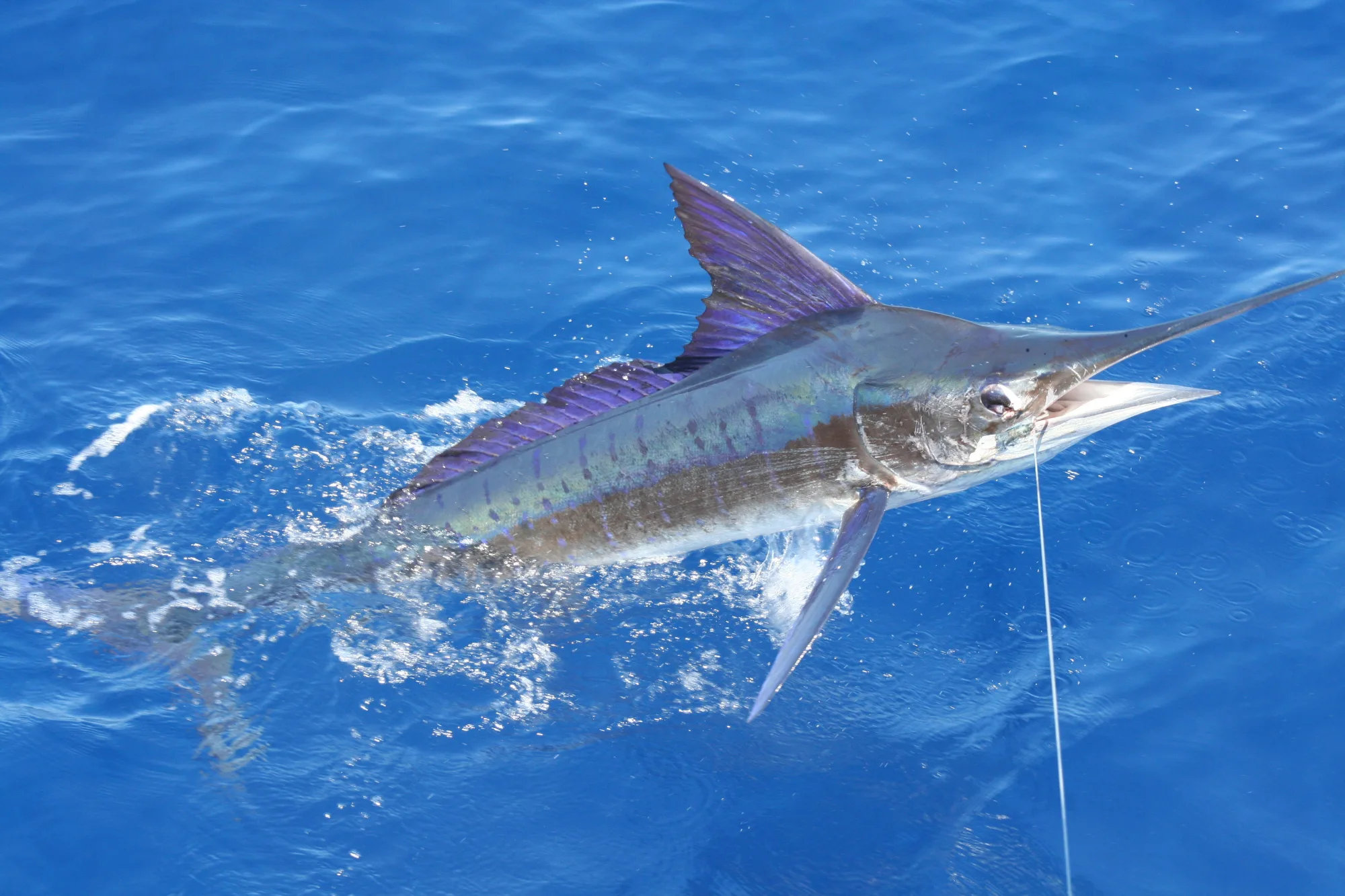
Crews target striped marlin with trolling spreads and bait presentations around bait concentrations and surface activity.
October–April emphasis
 Open ocean
Sailfish
Istiophorus platypterus
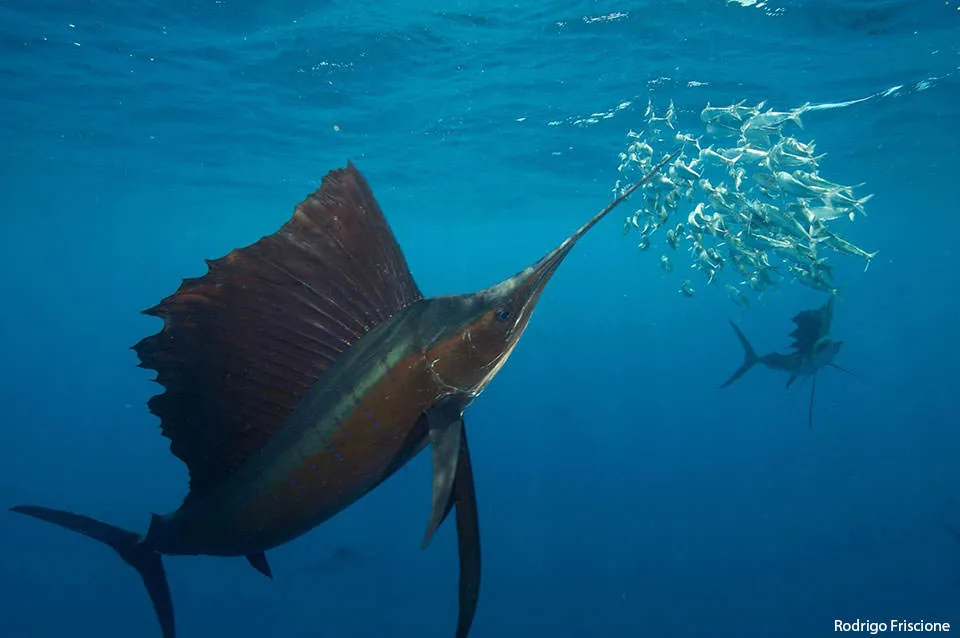
Recognizable by its large dorsal fin, sailfish are targeted with trolling spreads, teasers and bait. Keep released fish in the water.
May–July local emphasis; variable encounters
 Open ocean
Yellowfin Tuna
Thunnus albacares
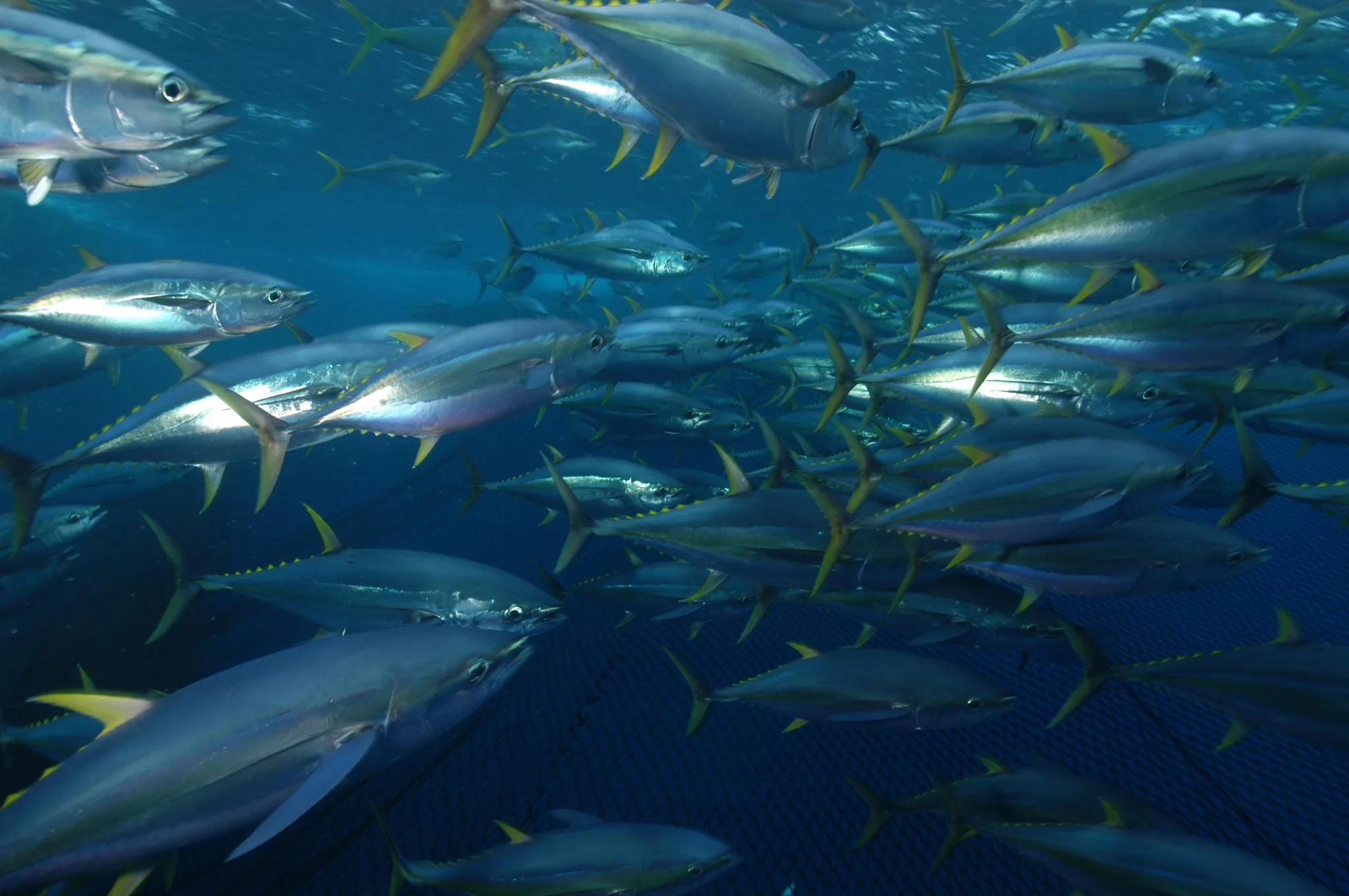
A schooling offshore tuna caught by trolling, bait fishing, casting and jigging. Fish size and school location determine tackle and trip range.
June–November emphasis