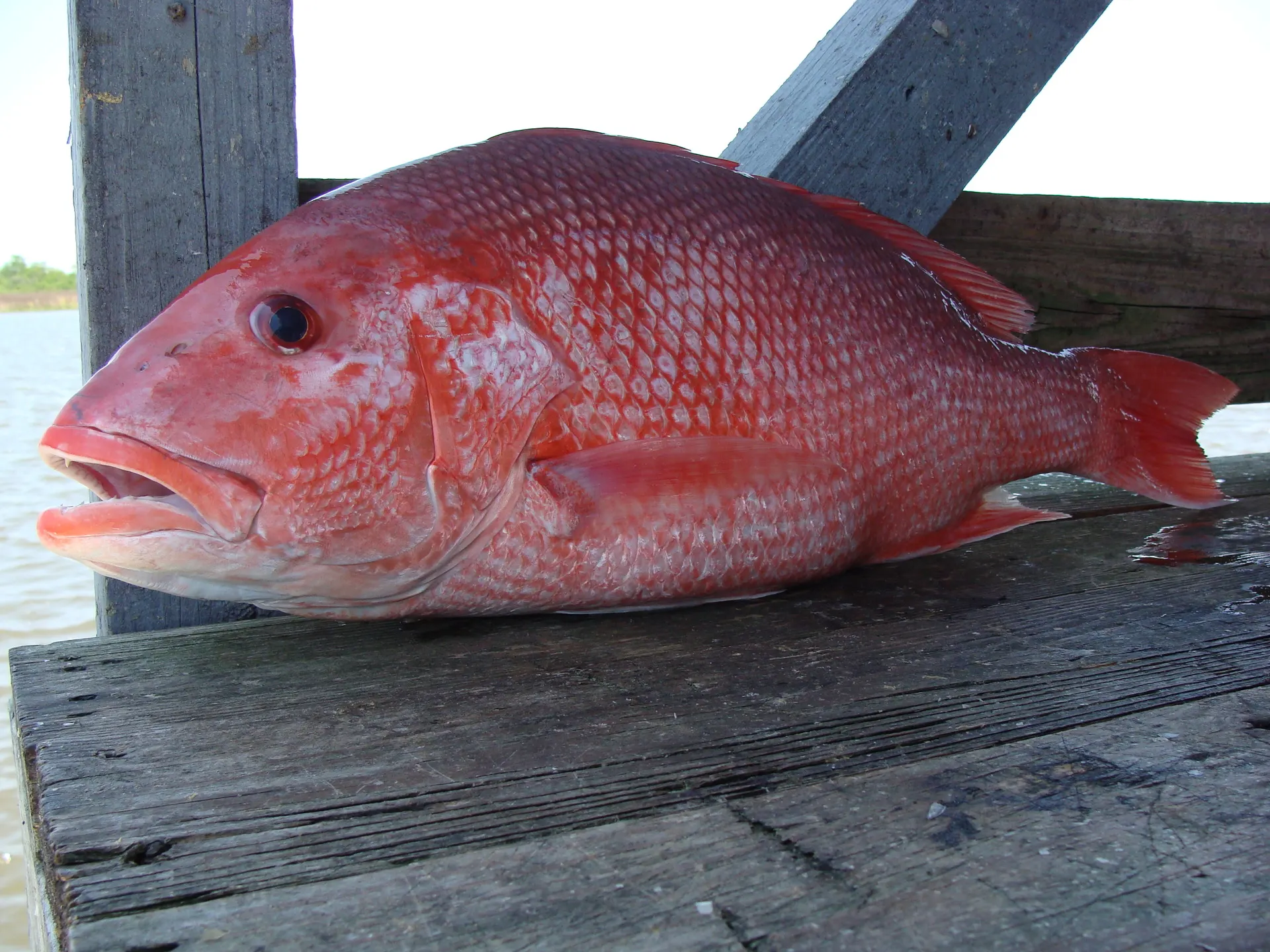
Pargo
A local umbrella name for several snappers—use identification, habitat, and current rules before retention.
- Species
- Several
- Common name overlaps
- Planning Window
- Broad
- Species and water decide
- Habitat
- Structure
- Rock and reef
- Before Retention
- Identify
- Check current rules
Overview
Pargo may refer to Pacific red snapper (Lutjanus peru) or other local snappers. Confirm the exact species before applying retention guidance.
Several snappers associate with reef, rock, and other structure. Their season, depth, size, and conservation condition differ, so this page avoids a universal local average.
Identification
Snappers generally have a compressed body, a substantial mouth and canine teeth, but body depth, fin shape, eye color, bars, spots and overall coloration differ among the species called pargo.
Several species may be called pargo, including Pacific red snapper (L. peru) and Colorado snapper (L. colorado). Identify the fish before applying biological or retention guidance.
Seasonal planning
“Pargo” covers several snapper species with different habitats and seasonal patterns, so there is no single reliable Los Cabos window. Depth and response to the tide are location-specific, and no fixed tide formula applies everywhere.
Where crews look
Legal rock structure
Check protected-area and anchoring rules before fishing any named formation.
Reef transitions
Use current navigation charts and a qualified local guide instead of copied coordinates.
Depth changes
Species mix and barotrauma risk can change quickly as the bottom falls away.
Legal coastal structure
Check reserve boundaries and current rules before fishing near any estuary or protected habitat.
Common techniques
Bottom presentation
Choose bait, hook, sinker, leader, and tackle for the actual species, depth, current, and release plan.
Jigging
Jig weight and hook configuration depend on conditions; identify all retained catch.
Preparing a legal catch
Culinary names and preferences vary. If retaining a legal, positively identified snapper, chill it promptly and confirm cleaning and transport arrangements. Common preparations include:
- Pargo a la Veracruzana: Baked with tomatoes, olives, capers and onions—a classic Mexican preparation
- Grilled: Simple preparation with lime, garlic, and butter
- Fish tacos: Grilled or fried, depending on the species and restaurant
- Ceviche: Use positively identified fish handled for raw service by a qualified kitchen; lime juice alone does not eliminate every pathogen or parasite risk
Cooking is the safest preparation. Restaurant common names vary, so ask which species is being served as the “catch of the day.”
Conservation
Planning a pargo trip?
Choose a crew that can identify local snappers and explain the current rules.