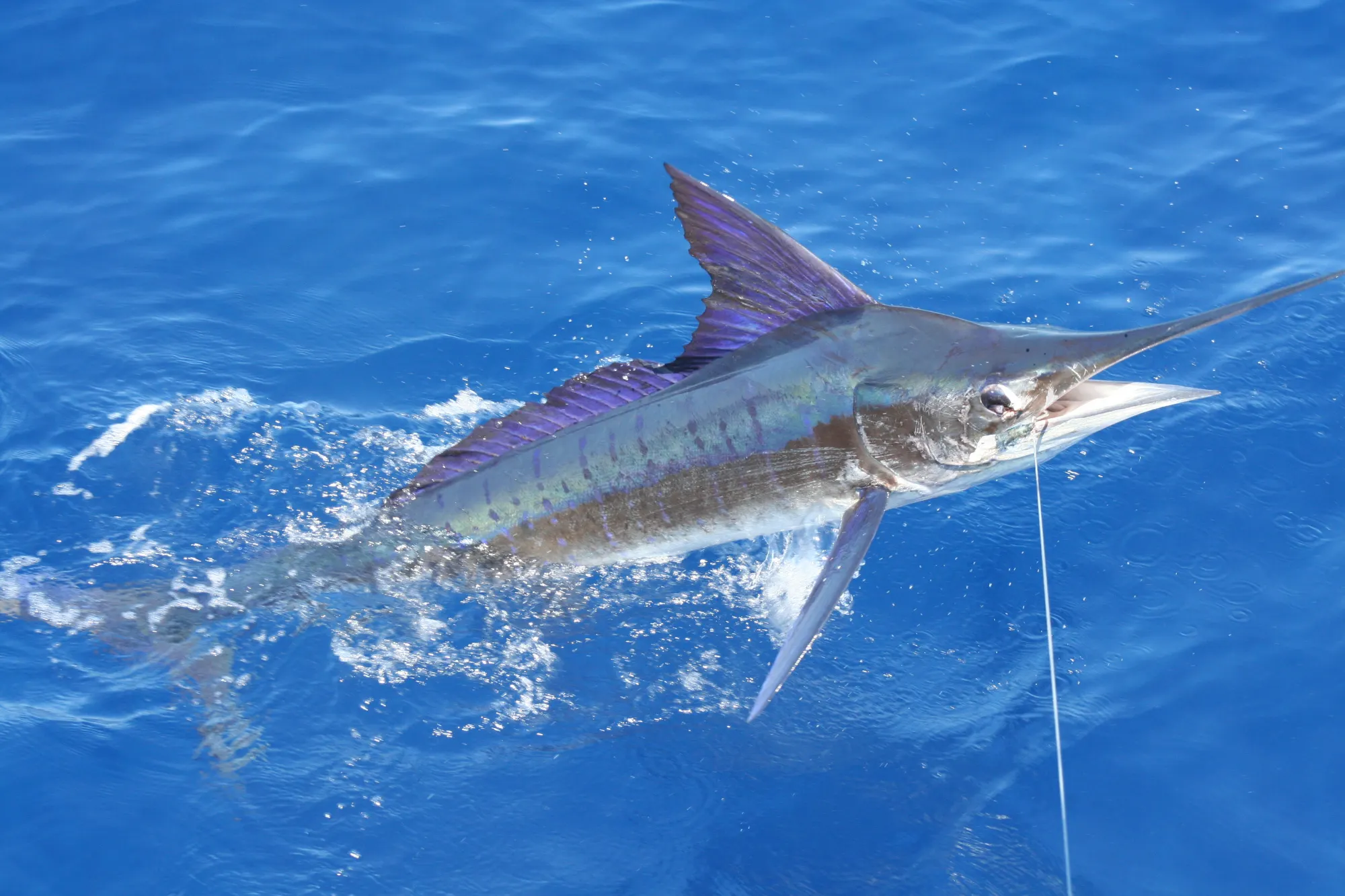
Pacific Crevalle Jack
A powerful eastern Pacific jack often called toro or jack crevalle around Baja.
- Genus
- Caranx
- Pacific species
- Planning Window
- Broad
- Spring–summer emphasis
- Habitat
- Coastal
- Surf and rocky edges
- Common Plan
- Release
- Retention is optional
Overview
Pacific crevalle jack (Caranx caninus) are the eastern Pacific fish often called jack crevalle or toro around Baja. The closely related Caranx hippos is an Atlantic species, so the scientific name matters.
They may occur in the surf zone, around rocky points and near bait. Schooling and feeding behavior varies with local conditions.
Physical Characteristics
Jack Crevalle have a deep, compressed body with a blunt head and a distinctive dark spot on the gill cover. They're brassy green to silver with yellowish fins. Their tail is deeply forked and incredibly powerful.
They're closely related to amberjack and pompano. The name "Crevalle" (sometimes spelled "crevalle") comes from the Portuguese "cavala" meaning mackerel.
Best Seasons
They may occur through a broad part of the year, with spring and summer a practical planning emphasis. Bait, surf and water clarity move the useful window.
Hot Spots
Open surf
Look for bait and safe, legal access while staying well clear of swimmers and dangerous shore break.
Rock-to-sand edges
Structure transitions may concentrate bait; swell and access decide whether they are fishable.
Coastal points
Check swell, access and current activity around rocky points before fishing.
Open beach water
Do not treat the protected San José estuary as a public fishing waypoint.
Conservation
Best Techniques
Topwater
Cast only when the lure, hooks, tackle, and surrounding boats or swimmers allow a safe presentation.
Live bait
Use legal bait and choose leader and hook style for the target, structure, and intended release.
Planning a jack trip?
Compare coastal access, safety, tackle and release practices.